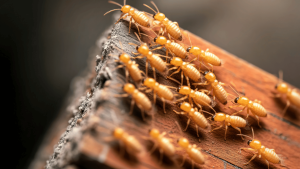
If you’ve spotted mud tubes along your foundation, noticed wood that sounds hollow when you knock on it, or found wings piled up near your windowsills, there’s a good chance you have termites. And if the infestation is widespread, getting into walls and beams where no spray can reach, tent fumigation might be exactly what your home needs.
It’s not the most convenient solution. You’ll need to pack a bag, grab the dog, and spend a couple nights somewhere else. But for serious infestations, it’s the most effective way to wipe out the problem completely.
Here’s a straightforward breakdown of how tent fumigation works in Texas, what you need to do to prepare, and what to expect when the process is done.
When Is Tent Fumigation the Right Call?
Not every termite problem requires full-structure fumigation. Localized infestations can sometimes be treated with targeted wood treatments or liquid termiticides. But when termites have spread through multiple areas of a structure, especially into hard-to-reach spaces like attics, wall voids, and floor joists, those spot treatments won’t cut it.
Tent fumigation (also called whole-structure pest control or structural fumigation) is typically recommended when:
- The infestation is widespread and not limited to one area
- Drywood termites are involved (they live inside the wood itself, not in soil)
- Previous treatments haven’t worked
- The colony is deep inside structural wood where other methods can’t penetrate
Texas’s climate, warm, humid, and welcoming to pests year-round, makes termite infestations especially common throughout Southeast Texas. The Gulf Coast region around Houston, Galveston County, and Harris County sees particularly high termite pressure, which is why having a licensed, experienced team matters.
How Tent Fumigation Works: The Step-by-Step Process
Understanding the process helps homeowners know what to expect, and why each step matters.
1. Inspection and Assessment
Before anything gets scheduled, a pest control specialist inspects your home to confirm the type of infestation, how extensive it is, and whether fumigation is the right approach. This inspection also helps determine the amount of fumigant needed based on your home’s size and structure.
2. Tenting the Structure
On the day of treatment, the crew covers your entire home with heavy-duty tarps, the tent. It creates a sealed environment, trapping the fumigant gas inside so it can fully penetrate the wood, walls, and any hidden voids where termites have set up camp. The bottom of the tent is sealed with weighted materials (called water snakes) to prevent leakage at the foundation. Warning signs are posted around the perimeter.
3. Fumigant Application
Once the structure is sealed, the fumigant is pumped in and fans circulate it throughout every room, attic, crawlspace, and wall cavity. The gas works by depleting oxygen and disrupting the nervous system of termites, killing them at every stage, eggs, larvae, and adults. It reaches places that sprays and baits physically cannot.
The gas used in professional fumigation services is a restricted-use pesticide. Only licensed fumigators who have completed extensive training and passed state certification tests can perform this work. That’s not a formality, it’s a safety requirement.
4. Aeration
After the fumigant has been inside long enough to reach effective levels throughout the structure (typically 24 hours or more), the tent is opened and the home is ventilated. Fans run to push the gas out. The fumigant dissipates completely, it doesn’t leave surface residue on your walls, counters, furniture, or dishes.
A technician uses a clearance device to test the air in every room before anyone is allowed back inside.
5. Clearance and Re-entry
You’ll receive official clearance once the gas levels are confirmed safe. At that point, you’re free to return. The whole process, from tenting to clearance, typically takes 24 to 72 hours depending on home size, outdoor temperature, and the extent of the infestation.
How to Prepare Your Home for Tent Fumigation
Prep is your responsibility, and it matters. Cutting corners here can put your family or pets at risk, and it can affect how well the treatment works. Your pest control team will walk you through the specifics, but here’s a general overview of what to expect:
People, Pets, and Plants
Everyone leaves. That means people, pets (including fish, birds, and reptiles), and all indoor plants. Most households plan for two nights away. You’ll want to arrange accommodations before the appointment day.
Food, Medicine, and Consumables
Any food, drinks, or medications not in factory-sealed glass or metal containers need to be either removed from the home or double-bagged in special Nylofume bags (your fumigator typically provides these). Items in your refrigerator and freezer count too. If it can be ingested, it needs to be protected.
One practical tip: stop buying groceries the week before. Cook down what’s in your fridge and pantry so there’s less to deal with.
Unlock Everything
Your fumigation team needs access to every part of your home, including cabinets, attics, closets, and utility spaces. Leave everything unlocked. They’ll secure the property with secondary locks during treatment.
Outside the Home
Trim any bushes, trees, or plants to at least 12 inches away from the structure so the tent can seal properly. Move any potted plants or items leaning against the house. If you have close neighbors or shared fences, a conversation ahead of time can help, especially if the crew needs access to adjacent property.
Also: shut off your gas service before the fumigation begins. Your pest control company will coordinate this.
After the Tent Comes Down: What You Need to Know
Once your home is cleared for re-entry, you can move back in normally. No wiping down surfaces, no special cleaning — the fumigant gas doesn’t leave a residue. However, there are a few things worth knowing before you settle back in.
Fumigation eliminates active termite colonies. It does not prevent future infestations. Termites and other pests can re-enter your home after treatment, especially in Southeast Texas where pest pressure doesn’t stop just because the seasons change.
This is where ongoing protection comes in. Regular inspections, preventative treatments, and a maintenance plan with a trusted pest control company make a real difference in keeping your home protected long-term.
Bevis Pest Control offers maintenance programs designed to protect your property year-round. If you’re ready to talk about your options, request a quote here.
Why Work with a Licensed Fumigation Team in Texas?
Tent fumigation isn’t a DIY project. The chemicals involved are classified as restricted-use pesticides, and in Texas, only licensed pest control professionals can legally apply them. The Texas Department of Agriculture (TDA) regulates pest control licensing in the state — which means anyone performing fumigation services is required to carry a valid license and follow strict protocols.
Bevis Pest Control has been helping Southeast Texas homeowners and businesses since 1947. Licensed in all categories, including tent fumigation and general pest control, our team serves Galveston County, Harris County, and surrounding communities with certified, professional fumigation services.
You’re not just paying for a service. You’re trusting someone to handle a complex, safety-critical process in your home. That’s why experience, licensing, and accountability matter.
Key Takeaways
- Tent fumigation is the most effective solution for widespread or hard-to-reach termite and drywood pest infestations
- The process seals your entire home under a tent and uses fumigant gas to penetrate every corner of the structure
- The full process takes 24–72 hours, plan to stay somewhere else for 2–3 nights
- Prep matters: remove people, pets, plants, food, and medicines, and unlock everything inside
- Fumigation eliminates active infestations, ongoing inspections and maintenance prevent future ones
- In Texas, fumigation can only be performed by licensed, certified professionals
Frequently Asked Questions About Tent Fumigation in Texas
1. What is tent fumigation?
Tent fumigation is a whole-structure pest control method where your home is covered with a sealed tent and filled with fumigant gas. The gas circulates through every room, wall cavity, and structural void to eliminate termites and other pests. It’s the most thorough approach available for widespread infestations.
2. How long does tent fumigation take?
The full process, from tenting to cleared re-entry, typically takes 24 to 72 hours. Most homeowners plan for two nights away, though the exact timeline depends on your home’s size, outdoor conditions, and the severity of the infestation.
3. Do I need to do anything before the fumigation?
Yes. You’ll need to remove all people, pets, and plants from the home; bag or remove food, drinks, and medications; unlock all interior spaces (cabinets, closets, attics); trim vegetation around the house; and shut off your gas service. Your fumigator will give you a detailed prep checklist.
4. Will fumigation damage my belongings?
No. The fumigant is a gas that fully dissipates during the aeration process. It doesn’t leave residue on surfaces, furniture, dishes, or clothing. You don’t need to clean or wipe anything down when you return.
5. Is tent fumigation safe for my family?
Yes, when performed correctly by a licensed professional. The home must be fully vacated and will not be cleared for re-entry until air testing confirms all gas has dissipated to safe levels. Professional fumigators follow strict state regulations throughout the entire process.
6. Will termites come back after fumigation?
Fumigation eliminates the active infestation, but it doesn’t create a protective barrier against future termites. In Texas’s climate, re-infestation is possible over time. That’s why regular inspections and a maintenance plan are important after treatment.
7. What pests does tent fumigation treat?
Tent fumigation is most commonly used for drywood termites, but it’s also effective against Formosan termites, beetles, bed bugs, and other pests that have infested the structure of a home. It’s a comprehensive option when multiple pests are present or when the infestation is in hard-to-access areas.
8. How much does tent fumigation cost in Texas?
Costs vary based on the size of your home and the extent of the infestation. A licensed pest control company will assess your property and provide a detailed quote. While fumigation is an investment, it’s typically far less expensive than repairing structural termite damage that’s been left to grow.
9. Does my homeowner’s insurance cover termite fumigation?
Most standard homeowner’s insurance policies do not cover termite damage or fumigation costs, since termite infestations are generally considered preventable. Some policies may have exceptions, so it’s worth reviewing your coverage. Preventative inspections and regular treatments are the best way to avoid major costs down the line.
10. How do I know if I need tent fumigation versus a spot treatment?
Spot treatments work well for small, localized infestations where the pest location is clearly identified. Tent fumigation is recommended when the infestation is widespread, deep in the structure, or hasn’t responded to other treatments. A licensed inspector will assess your specific situation and recommend the right approach.